Future of Mobile Phones
The mobile phone industry stands at a pivotal crossroads. For decades, the focus has been on relentless upgrades, faster processors, and annual model releases. Yet a fundamental shift is underway—one driven by environmental urgency, economic pragmatism, and consumer demand for devices that last. The future of mobile phones isn’t just about what’s new; it’s about what endures.
This transformation touches every aspect of the mobile ecosystem: the composite materials replacing traditional alloys, the maintenance practices extending device lifespans to four years or more, the circular economy principles making repair accessible, and the total cost calculations revealing that premium devices often cost less per day than budget alternatives. Understanding these interconnected trends empowers you to make informed choices that benefit both your wallet and the planet.
Whether you’re a professional relying on a rugged device in the field, a conscientious consumer calculating your carbon footprint, or a business manager navigating e-waste compliance, this comprehensive resource will equip you with the knowledge to navigate the evolving mobile landscape with confidence.
Building for Longevity: The Material Revolution
The physical construction of mobile phones has undergone a quiet revolution. Gone are the days when device durability meant simply adding metal frames or thicker glass. Today’s advanced materials science focuses on high-density composites that balance protection, weight, and environmental responsibility.
Advanced Composite Materials and Durability
Modern composite materials offer tangible advantages over traditional metal alloys, particularly in real-world durability. These engineered polymers resist humidity penetration more effectively than standard aluminum or steel, preventing the internal corrosion that shortens device lifespan in coastal or humid climates. High-density molding techniques also reduce the internal rattling that occurs after drops—a seemingly minor detail that actually indicates structural integrity and long-term reliability.
For professionals who carry devices all day, the texture and weight distribution of composites matter significantly. A lighter composite frame reduces pocket fatigue during twelve-hour shifts, while specific surface treatments provide better grip than polished metal. However, not all cleaning fluids are compatible—certain alcohol-based solutions that work fine on metal can degrade standard plastics, while engineered composites maintain their structural integrity. This seemingly small detail can mean the difference between a device that looks worn after a year versus one that remains field-ready for three.
The Shift Toward Recycled Components
Recycled composites represent the next frontier in sustainable phone construction. Currently, only a small percentage of devices incorporate meaningful amounts of recycled materials, but industry roadmaps point toward this becoming standard practice within the coming years. The technical challenge lies in maintaining the precise mechanical properties required for drop resistance and dimensional stability while using reclaimed materials.
Early adopters are already seeing devices with 30-40% recycled content in specific components, particularly rear housings and internal frames. The performance gap has narrowed considerably—recycled composites now match virgin materials in most durability tests. The environmental benefit is substantial: using recycled materials can reduce the manufacturing carbon footprint of a single device by roughly 20-25%, though this varies significantly based on the source and processing of recycled feedstock.
Extending Device Lifespan: Practical Maintenance Strategies
Keeping a smartphone running like new for four years or more isn’t about luck—it’s about understanding which components fail first and implementing preventive strategies. The economic logic is compelling: a device that remains functional for twice as long delivers dramatically better value, even accounting for battery replacements and minor repairs.
Preventive Care for Critical Components
The charging port fails before the screen in the vast majority of devices, yet this is one of the most preventable failures. Pocket lint accumulation causes 60-70% of charging port issues, creating resistance that damages both the port and charging cables. A simple monthly cleaning with a wooden toothpick (never metal) removes debris before it becomes compacted. Wireless charging eliminates this wear point entirely, though it introduces slightly slower charging speeds.
Screen longevity depends less on the glass itself than on the oleophobic coating that resists fingerprints. This coating degrades naturally over 18-24 months, making the screen appear dirty and reducing touch sensitivity. A quality tempered glass protector actually preserves the original coating beneath, extending the pristine feel of your display for years. The £8-15 investment in a good protector can add two years of usability.
Data and Performance Optimization
Flash storage controllers slow down as they fill, but this degradation is entirely reversible. Offloading photos, videos, and unused apps annually keeps your storage below the critical 75% threshold where performance noticeably degrades. Cloud storage services, external drives, or even a simple annual archive to a computer maintains the snappy performance of a new device.
The “dashboard habit” that ages processors prematurely refers to leaving navigation apps running continuously in hot environments—particularly in car dashboards during summer. Sustained heat above 35-40°C accelerates the electromigration in processor circuits, effectively aging the chip by two years over a typical three-year ownership period. Using a phone mount with airflow or simply removing the device from direct sunlight during breaks preserves processing power for the long term.
Battery Management and Replacement Economics
At the three-year mark, most lithium batteries retain 75-80% of their original capacity. This is the critical decision point: battery replacement or new phone? A professional battery replacement typically costs £40-80, while a comparable new device costs £400-800. The financial choice is clear if the device otherwise functions well.
The calculation changes if you’re experiencing multiple issues: a failing battery plus a damaged screen plus degraded storage performance might justify replacement. However, many users replace phones prematurely because of battery anxiety alone. Simple practices extend battery life significantly:
- Keeping charge between 20-80% rather than 0-100% full cycles
- Avoiding overnight charging that keeps batteries at 100% for hours
- Reducing exposure to temperature extremes (below 0°C or above 35°C)
- Using optimized charging features that learn your schedule and slow-charge overnight
These habits can extend the useful battery life from three years to four or even five, delaying the replacement decision entirely.
Sustainable Connectivity and Environmental Impact
The environmental footprint of mobile phones extends far beyond the device itself. Network connectivity, usage patterns, and the choices we make about carriers all contribute to the total impact. Understanding these factors allows you to align your mobile usage with your environmental values.
Energy-Efficient Network Technologies
Counterintuitively, 5G networks are significantly more energy-efficient per gigabyte than 4G, despite consuming more power when actively transmitting. The efficiency gain comes from faster data transfer—a 5G connection downloads the same file in less time, then returns to low-power mode. Over typical usage patterns, 5G networks can be 30-40% more efficient per unit of data transferred.
This efficiency only materializes with optimized infrastructure and sufficient user density. In rural areas with sparse 5G coverage, devices constantly searching for 5G signals actually consume more power than staying on 4G. Manually selecting 4G in areas with weak 5G coverage can extend daily battery life by 15-25%, reducing both your charging frequency and the associated energy consumption.
Measuring and Reducing Your Carbon Footprint
Calculating your mobile carbon footprint involves three components: manufacturing impact (typically 60-70kg CO₂ equivalent for a mid-range smartphone), network energy consumption (approximately 1-3kg CO₂ annually depending on usage), and end-of-life processing. The manufacturing impact dominates, which is why using a phone for five years reduces your annual impact more than any recycling program.
Practical steps to reduce your yearly mobile carbon footprint:
- Extend device lifespan to 4-5 years rather than the typical 2-3 years
- Reduce streaming video quality over cellular networks (streaming accounts for 60% of mobile data)
- Download content over WiFi for offline consumption when possible
- Choose carriers committed to renewable energy for network operations
- Repair rather than replace when components fail
These actions collectively can reduce your mobile-related emissions by 40-60% compared to typical upgrade-and-stream behavior.
Navigating Eco-Labels and Green Marketing
The proliferation of environmental claims makes objective assessment challenging. The Eco Rating Label—a standardized system used by several European carriers—provides more reliable information than manufacturer marketing claims, scoring devices across durability, repairability, recyclability, climate efficiency, and resource efficiency on a 100-point scale.
Beware the “green marketing” trap where brands highlight one positive attribute (like recycled packaging) while obscuring a high manufacturing impact from rare earth mining or energy-intensive production. A device shipped in recycled cardboard but designed to be unrepairable and replaced every two years has a far greater environmental impact than a repairable device in standard packaging used for five years. Focus on total lifecycle impact rather than individual green features.
The Circular Economy in Practice
Circular economy principles transform phones from disposable consumer goods into durable tools with multiple life stages: initial use, repair and refurbishment, secondary market resale, component harvesting, and finally material recycling. Engaging with this system requires understanding your rights, responsibilities, and practical options.
Right to Repair and DIY Maintenance
Phone repairability varies dramatically between models. Some devices open with standard screws and modular components that separate easily, while others use proprietary pentalobe or tri-wing screws, extensive adhesive, and soldered components. Before purchasing, check repairability scores from organizations like iFixit—a score of 7/10 or higher indicates reasonable DIY repair potential.
Sourcing genuine spare parts presents challenges as manufacturers rarely sell directly to consumers. Third-party marketplaces offer components ranging from verified original parts to generic alternatives of varying quality. For critical components like batteries, the fire risk of poorly manufactured generics generally outweighs the cost savings. A genuine battery from a reputable third-party supplier might cost £25 versus £12 for a generic, but the reliability and safety difference is substantial.
The “warranty void if removed” sticker is largely a myth in many jurisdictions—consumer protection laws generally prevent manufacturers from voiding warranties simply because you opened the device. However, if your repair causes damage, that specific damage isn’t covered. Water resistance presents a genuine challenge: re-sealing a phone to maintain IP67/IP68 ratings requires replacing adhesive gaskets and careful reassembly. Most DIY repairs result in reduced but not eliminated water resistance.
Responsible E-Waste Management
In the UK and many other regions, disposing of phones in general waste bins is illegal for businesses due to hazardous materials and recoverable resources. Compliance requires using registered waste carriers and maintaining transfer documentation. For businesses, the penalty for improper disposal can reach thousands in fines.
Before recycling or donating, GDPR-compliant data wiping is essential. Factory reset alone is insufficient—deleted files remain recoverable with forensic tools. Proper procedure involves:
- Backup all needed data to secure storage
- Remove SIM and memory cards
- Perform factory reset through device settings
- Use secure erase software that overwrites storage sectors
- Verify the device boots to initial setup screen
- Remove any linked accounts (Google, Apple, Microsoft)
For donating phones to charity, verify functionality systematically: physical condition, screen responsiveness, battery health, camera operation, charging port, speakers and microphone, network connectivity, and finally data wipe. This order prevents wasting time on full data wipes for devices that prove non-functional.
Trade-In, Donation, and Recycling Pathways
Trade-in programs keep materials in circulation longer than direct recycling by enabling device refurbishment for secondary markets. A three-year-old phone in good condition typically retains 20-30% of its original value through trade-in, funds that offset your next purchase while giving the device another 1-2 years of useful life with a new owner.
Direct recycling should be the last resort—it’s valuable for truly broken devices but destroys functional value. The material recovery rate for precious metals in phones reaches only 30-50% with current recycling technology, meaning direct recycling of working devices wastes both embodied energy and functional value. The fire risk of storing old phones with lithium batteries in drawers is genuine—degraded batteries can spontaneously ignite. If not using devices, recycle them promptly through proper channels.
Total Cost of Ownership: The Long-Term Perspective
The sticker price of a phone tells only a fraction of the financial story. Total cost of ownership over four or five years reveals surprising truths about value, often inverting conventional wisdom about budget versus premium devices.
Premium vs Budget: The Five-Year Calculation
A £500 device used for five years costs £0.27 per day. A £200 device replaced at three years (due to performance degradation or software obsolescence) costs £0.18 per day initially but requires a second £200 purchase, totaling £400 over five years at £0.22 per day—seemingly similar. However, this calculation ignores hidden costs:
- Budget devices typically suffer poorer resale value (5-10% vs 20-30% for premium)
- Cheaper components may require earlier repair (screen, battery, charging port)
- Software updates cease sooner, forcing earlier replacement for security or app compatibility
- Lower quality cameras, screens, and performance reduce productivity and satisfaction
Factoring these variables, the true five-year cost of budget devices often exceeds premium options while delivering inferior experience. The optimal sweet spot typically sits in the upper-mid range: devices from reputable manufacturers offering 3-4 years of software support, good build quality, and moderate pricing.
Software Support and Security Value
Banking apps and enterprise software increasingly refuse to run on devices beyond certain ages, not because of hardware capability but due to outdated operating systems. A physically perfect three-year-old phone becomes partially obsolete when critical apps stop functioning. The security value of extended updates is measurable: unpatched devices face exponentially higher malware and data breach risks.
Manufacturers offering four years of security updates versus two years provide approximately £60-100 of additional value through extended usable life and reduced security risk. When comparing devices, multiply the price difference by the update commitment difference—a £50 premium for twice the update duration is excellent value, while a £200 premium rarely is.
Maximizing Resale Value
Timing significantly impacts resale returns. Phones lose value fastest in the first year (30-40% depreciation), then slow to 15-20% annually. Selling just before a major new model release maximizes returns, while waiting until immediately after a launch costs 10-15% of value as the market floods with trade-ins.
The “cheap repair” trap destroys resale value when non-original screens, batteries, or housings get installed. A £40 generic screen repair on a mid-range device might reduce resale value by £80-100 compared to a £90 original screen repair. For devices you plan to resell, using genuine parts or authorized repair services preserves value. For devices you’ll use until end-of-life, generic parts make more economic sense.
Minimizing security risks while maximizing residual value requires phasing out devices strategically: sell or trade while they still receive security updates and retain meaningful value (typically 2-3 years for budget, 3-4 years for premium). Holding devices beyond software support for sentimental reasons exposes you to security vulnerabilities while their value plummets to near-zero.
The future of mobile phones is being written by your daily choices: the materials you prioritize, the maintenance habits you adopt, the repair options you explore, and the total cost calculations you make. These interconnected decisions shape not only your personal experience and expenses but the broader trajectory of an industry rethinking its relationship with durability, repairability, and environmental responsibility. By understanding these evolving dynamics, you’re equipped to participate in—and benefit from—the transformation underway.

Ecosystem Lifecycle Maintenance: Why a £200 Phone Costs More Than a £500 Phone Over 5 Years
The conventional wisdom of choosing the lowest upfront cost for corporate mobile devices is a critical financial error. Hardware accounts for only 20% of a device’s Total Cost of Ownership (TCO); hidden costs in security, support, and lost residual value…
Read more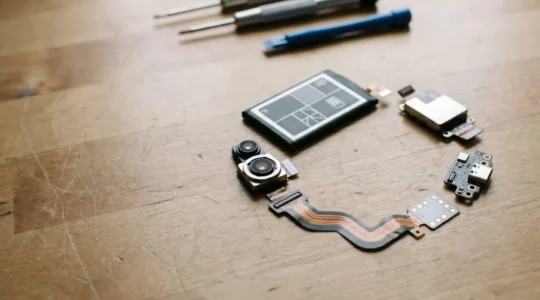
The Technician’s Guide to Smartphone Repair: Master the System, Not Just the Swap
In summary: True repair mastery isn’t just following a tutorial; it’s understanding why manufacturers make phones hard to fix and learning to overcome those hurdles. Identifying and sourcing quality parts, from proprietary screws to certified batteries, is more critical than…
Read more
Disposing of Old Business Mobiles: A UK Compliance and Risk Management Guide
Disposing of old business mobiles is not an administrative clean-up; it’s a critical risk management function with significant legal, financial, and safety liabilities. Improper disposal breaches UK WEEE regulations, leading to unlimited fines and potential criminal prosecution for the business…
Read more
Pioneering Sustainable Connectivity: How to Choose a Mobile Network That Matches Your Eco-Values?
Choosing a truly sustainable mobile plan requires moving beyond marketing claims and adopting the critical mindset of a sustainability auditor. The vast majority (around 80%) of a smartphone’s lifetime carbon emissions come from manufacturing, making device longevity the single most…
Read more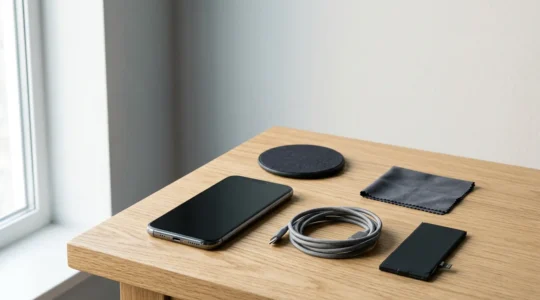
Extending Your Device’s Usable Lifecycle: How to Keep a Smartphone Running Like New for 4 Years
The secret to a long-lasting phone isn’t gentle use; it’s strategic warfare against its engineered failure points. Most “failures” are preventable issues like dust in the charging port or performance decay from full storage—not catastrophic damage. Heat is the silent…
Read more
High-Density Composite Materials: Why Texture Matters More Than Looks for Field Workers?
Contrary to the belief that metal equals strength, for field professionals, a device’s most critical material property is its ‘functional texture,’ not its premium look. High-density composites offer superior resistance to humidity, chemicals, and impact-related internal damage compared to standard…
Read more